












FDI in era of uncertainty
According to the latest data from the Japan External Trade Organisation (JETRO), foreign direct investment reached JPY32.6 trillion (USD204 billion) in 2025, marking the third consecutive year of growth. However, it is important to note that because the yen remained weak throughout 2025, the yen-equivalent value of investments denominated in foreign currencies tended to be inflated.
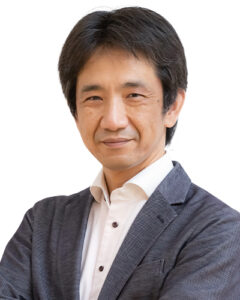
President of Japan In-house Lawyers Association Director & member of the audit committee, Itsumo Tokyo
In addition to external factors such as geopolitical risks and protectionist trade policies centred on the US, and with the deepening of corporate governance domestically, Japanese companies are no longer merely aiming for market expansion but are investing in strategic, sustainable growth.
Nippon Steel’s landmark case
The completion of Nippon Steel’s acquisition of US Steel set the most significant precedent
of this era regarding FDI by Japanese companies. Although the deal faced unprecedented political headwinds, it ultimately proved a legal and strategic success.
Japanese companies are recognising that the traditional export model is becoming increasingly vulnerable to tariff policies and other protectionist measures. In tariff negotiations with the US government, the Japanese government pledged substantial FDI. For corporate counsel at Japanese companies, this marked a shift in M&A strategy. In other words, investment has now become a primary means of localisation to circumvent trade barriers.
Role of corporate governance reform
The increase in outbound FDI is closely linked to the corporate governance reforms currently underway in Japan. The Tokyo Stock Exchange’s ongoing demands for capital efficiency, such as the “PBR 1x” (price-to-book ratio of at least 1.0x) guideline, have fundamentally changed the way boards of directors evaluate overseas M&A.
Japanese FDI is now strategically disciplined. Unlike the frenetic and often unfocused acquisitions of the late 1980s, current investments are scrutinised under a strict governance framework. Boards of directors are now obligated to demonstrate how overseas acquisitions enhance shareholder value and improve the weighted average cost of capital (WACC).
These pressures for transparency and efficiency are forcing Japanese corporate directors to play a more active role during the post-merger integration (PMI) phase and, as a result, Japanese companies are strengthening their oversight of overseas subsidiaries.
Sustainability in a polarised world
In 2026, one of the most challenging issues facing the corporate counsel of Japanese companies will be successfully navigating the widening gap between Europe’s strict ESG regulations and the anti-ESG policies of the Trump administration in the US.
The strategic response for Japanese companies will likely involve redefining sustainability through the lenses of economic rationality and national security. Specifically, they will comply with high standards of ESG disclosure to satisfy European regulators and global institutional investors, while emphasising “energy security” and “job creation” when engaging with US stakeholders.
This is easier said than done, and companies will be forced to navigate a difficult course while keeping an eye on the results of the US midterm elections.
Regional realignment
Statistical data also highlights a decisive geographical shift. Investment in India has reached an all-time high, with particularly notable growth in the finance and insurance sectors. In addition to being a growth market backed by the world’s largest population, there appears to be a surge of investment in growth industries such as IT and digital finance.
Meanwhile, investment in China has been on a downward trend for four consecutive years. While the slowdown in China’s economic growth is a factor, this trend indicates that the “China +1” strategy has reached maturity.
In addition to investing in regions with high growth potential, Japanese companies are restructuring their supply chains to make them geographically resilient. Corporate counsel are tasked with managing complex overseas compliance issues alongside human rights due diligence and the complex legal challenges of the “Global South”.
According to the data from the JETRO, FDI in the manufacturing sector is being driven by the transportation equipment and metals industries. This trend stems from the strategic necessity for Japanese automakers and trading companies to secure upstream resources, including critical minerals such as lithium, cobalt, and nickel, required for the EV battery revolution.
However, such investments entail specific legal risks that go beyond the scope of conventional corporate law. As Japanese companies invest in mining projects in the Global South, the requirements for human rights due diligence are becoming increasingly stringent. Companies must prove that their raw materials are not tainted by issues such as forced labour or the displacement of indigenous peoples.
Corporate counsel as navigators
The record-high figures for outbound direct investment in 2026 demonstrate that Japanese companies continue to actively invest overseas. However, the legal environment is more challenging than ever. The success of these investments hinges on whether corporate counsel can fulfil their role as navigators.
Specifically, this depends on their ability to satisfy domestic corporate governance requirements, skilfully navigate protectionist trade laws, and articulate their company’s position amid varying sustainability standards. As Japanese companies continue to invest trillions of yen worldwide, corporate counsel must take the necessary steps to ensure a solid return on these investments in an increasingly volatile global landscape.