






It has been a year since the differences between the China International Economic and Trade Arbitration Commission (CIETAC) Beijing headquarters and its two sub-commissions in Shanghai and Shenzhen emerged following the announcement of the new CIETAC rules in May 2012. The sub-commissions have alleged that they were treated unfairly due to the effect of some provisions in the new rules. In particular, they have been effectively deprived of the right to issue awards in their own names, and also the right to administer arbitrations when the arbitration agreement has failed to expressly provide for the institution within CIETAC that is the supervisory body of the arbitration. These changes will inevitably have a financial impact on the sub-commissions concerned. The two sub-commissions consequently declared independence from CIETAC.
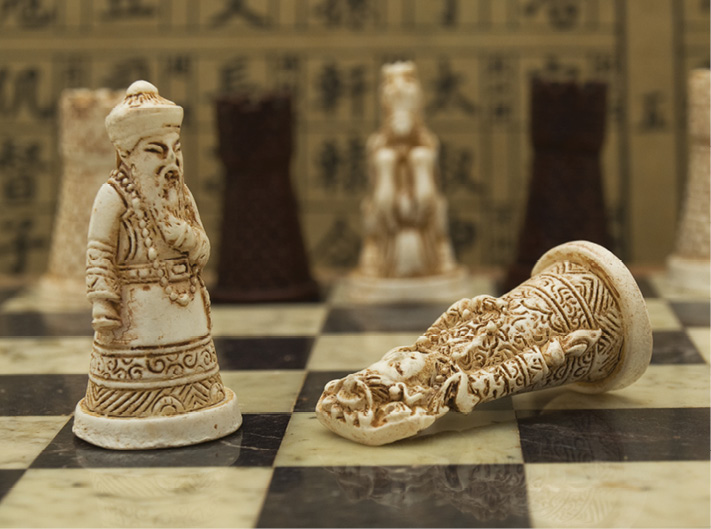 Since then, the two sides have exchanged a number of public announcements, with the Beijing headquarters repeatedly denying the lawfulness and the independence of the sub-commissions, and eventually withdrawing their authority to administer cases in the name of CIETAC. The Southern China sub-commission in Shenzhen has changed its name to Shenzhen International Court of Arbitration (SICA), and the Shanghai sub-commission has likewise recently transformed itself into Shanghai International Arbitration Centre (SHIAC). Both SICA and SHIAC have published their own rules and panels of arbitrators, and unilaterally declared their continued authority to administer cases where parties have selected CIETAC arbitration in Shenzhen or Shanghai. CIETAC has in return reinstated its new Shanghai and Southern China sub-commissions, which resulted in two or more competing arbitral institutions in one city.
The fact that the relevant Chinese governmental authority has chosen to stay away from this internal affair of CIETAC does not help with normalising the situation. Accordingly, until a Chinese court makes a ruling on the validity of a relevant arbitration agreement or award, there will remain room for speculation in respect of the status of SICA and SHIAC.
You must be a
subscribersubscribersubscribersubscriber
to read this content, please
subscribesubscribesubscribesubscribe
today.
For group subscribers, please click here to access.
Interested in group subscription? Please contact us.
你需要登录去解锁本文内容。欢迎注册账号。如果想阅读月刊所有文章,欢迎成为我们的订阅会员成为我们的订阅会员。
The authors, Stuart Dutson and Zhao Yang, are partner and associate respectively in the London office of Eversheds. They have extensive experience acting for Chinese and Western companies in conducting international arbitrations with all major arbitration institutions including CIETAC, HKIAC, SIAC, LCIA, ICC and ICSID.