






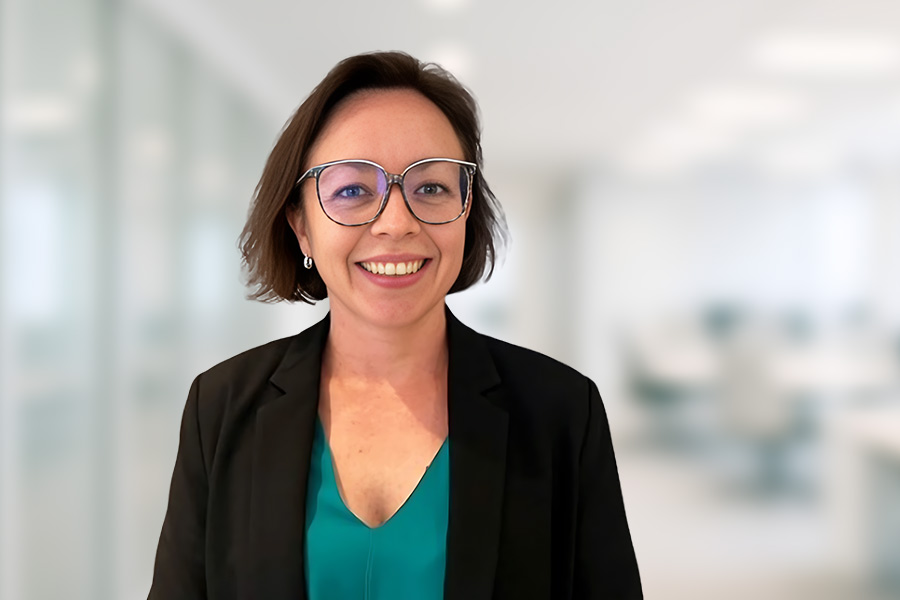





Mariel Dimsey has embarked on a new chapter as an independent arbitrator and strategic consultant after rejoining CMS 18 months ago as head of the Hong Kong office, and later becoming head of the international arbitration practice following the firm’s merger with Lau, Horton & Wise.
Dimsey, best known as the former Hong Kong International Arbitration Centre (HKIAC) secretary-general, told China Business Law Journal that she had been “toying” with the idea of going independent when she left the HKIAC, but the straw that broke the camel’s back happened this year.
“One of the turning points for me was when the CMS merger was ongoing and I was getting a lot of arbitrator inquiries, but because the firm had business with clients with those parties or with subsidiaries of those parties, I wasn’t able to take the appointment. That was the final motivation for me to take the plunge and go independent,” she said.
Since departing CMS at the end of July, Dimsey has been accepting arbitrator appointments in Hong Kong, as well as across the Asia-Pacific and Europe. She is now exploring opportunities to expand and diversify her arbitrator caseload.
“I spent 15 years in Europe. In my previous role, we had a lot of European clients with disputes with Asian parties, in particular, Chinese parties. That’s one of the areas that I’m trying to build to see if there’s demand.” She added, “In addition, APAC is an important region with a dynamic and growing arbitration sector, so this is also an area of focus for me.”
Aside from arbitration, she will also provide strategic advisory services to individuals navigating Hong Kong and China’s business and legal environment. Her services include assisting clients at the contractual negotiation stage, providing suggestions on arbitrating in Asia, as well as offering dispute avoidance and resolution strategies.
“After almost 10 years in Hong Kong and seeing the various issues that come up in Euro-Asian disputes, I feel I am ideally placed to offer this service as complementary to sitting as an arbitrator.”
As arbitration centres in Asia gain prominence, according to the International Arbitration Survey, Dimsey advises in-house counsel to stay well-informed about the pros and cons of each arbitration seat and their internal clients’ objectives. “If that means getting a lawyer in and saying, can you tell me in three pages the difference between, say, Hong Kong and Singapore arbitration? That’s probably money well spent,” she said.
She added that when choosing institutions and seats, in-house counsel should follow a “horses for courses” approach. If there’s a preference for scrutiny of awards, the International Chamber of Commerce, International Court of Arbitration (ICC) and Singapore International Arbitration Centre (SIAC) have a scrutiny process, but it could lead to potential delays in issuing awards. In contrast, the HKIAC adopts a “light-touch” approach, meaning awards are delivered faster, as the institution largely leaves the details of awards to the discretion and mandate of the arbitrator deciding the case.
“The most important thing is that users are informed and make an informed choice, or at least negotiate their contracts with such information front and centre when it comes to the dispute resolution clause,” Dimsey said.
Read the related article here:
Beijing rises among top arbitration hubs
The latest International Arbitration Survey, jointly released by White & Case and Queen Mary University of London, shows that Asian regions have dominated the list of most preferred arbitration seats…

For more stories, visit law.asia.